The sun is one of the most abundant sources of energy available on Earth. Every day, enormous amounts of solar radiation reach the planet, providing more energy than humanity could consume if it could be captured and used efficiently. Modern technology is making it increasingly possible to harness this energy for homes, businesses, transportation, agriculture, and large-scale power generation.
From solar panels on rooftops to large solar farms and advanced energy-storage systems, technology is transforming sunlight into a practical source of electricity and heat.
How Solar Energy Technology Works
Solar energy technology primarily uses sunlight in two ways: generating electricity and producing heat.
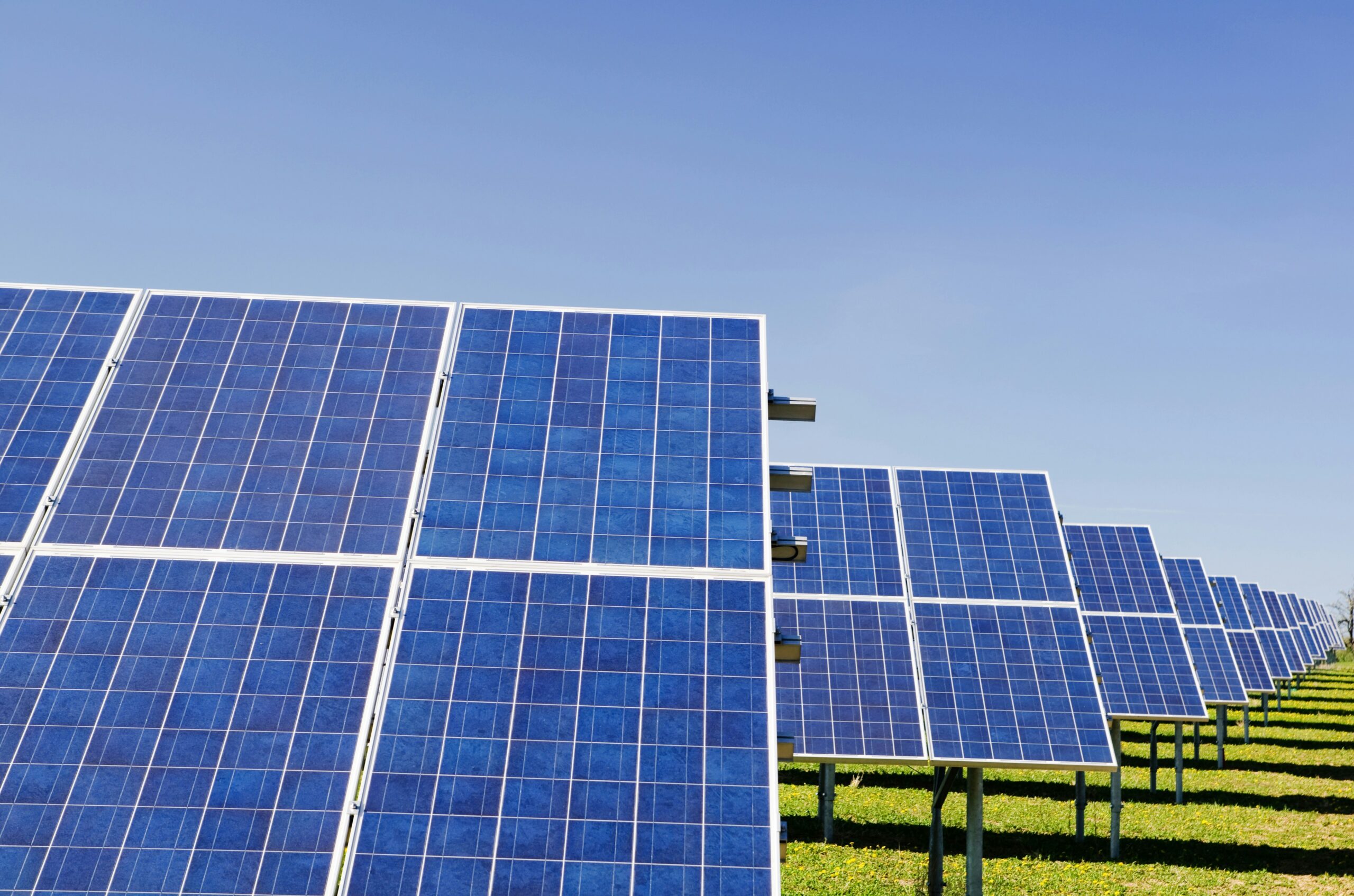
The most familiar technology is the solar photovoltaic (PV) panel. Solar cells inside a PV panel convert sunlight directly into electricity. When sunlight strikes the cells, it creates an electrical current that can be used to power equipment, buildings, and other applications.
Another approach is solar thermal technology, which captures the sun’s heat. Solar thermal systems can be used for applications such as heating water, while concentrated solar power systems use mirrors to concentrate sunlight and generate high temperatures for electricity production.
Solar Panels Are Becoming More Advanced
Solar panels have evolved significantly over the years. Improvements in solar-cell design and manufacturing have increased efficiency while helping reduce the cost of solar electricity.
Modern PV systems can be installed on residential rooftops, commercial buildings, parking structures, and large areas of land. Their modular design also makes it possible to create systems ranging from a few panels for a small building to enormous installations capable of generating electricity for thousands of homes.
New technologies, including advanced silicon cells and emerging solar-cell designs, continue to attract research and investment.
Energy Storage Makes Solar More Useful
One of the biggest challenges associated with solar power is that sunlight isn’t available continuously. Solar panels generate electricity during daylight hours, while electricity demand can continue after sunset.
Energy-storage technology can help address this challenge.
Battery systems can store excess electricity generated during sunny periods and release it when solar production falls. As battery technology improves, solar-plus-storage systems are becoming increasingly useful for improving energy reliability and managing electricity demand.
Storage can also help solar power contribute to a more flexible electricity grid.
Smart Technology Improves Solar Systems
Digital technology is playing an important role in improving solar-energy systems.
Modern installations can use sensors, monitoring software, smart inverters, and data analytics to track electricity production and identify potential problems.
Homeowners and businesses can monitor how much electricity their solar systems generate and how much energy they consume. More advanced systems can also coordinate solar generation with batteries and other electrical equipment.
This combination of renewable energy and digital technology can make energy management more efficient.
Solar Energy in Agriculture
Solar technology is also finding applications in agriculture.
Solar-powered pumps can provide electricity for water pumping and irrigation in areas where access to conventional electricity is limited. Solar systems can also support agricultural equipment, lighting, cooling, and other operations.
Agrivoltaics is another emerging approach. It involves combining solar-energy production with agricultural activities on the same land. Depending on the crops and system design, solar panels can provide partial shade while generating electricity.
Solar Power for Remote Communities
Solar energy can be particularly valuable in areas without reliable access to traditional electricity infrastructure.
Small solar systems, batteries, and microgrids can provide electricity for lighting, communications, refrigeration, education, healthcare, and other essential services.
Because solar systems can be deployed in different sizes, they can be adapted to individual homes, community facilities, or larger local electricity networks.
Solar Technology and Electric Vehicles
The growth of electric vehicles is also creating new opportunities for solar energy.
Solar-generated electricity can be used to charge electric vehicles at homes, workplaces, and charging stations. When combined with batteries and smart energy-management systems, solar power can help coordinate vehicle charging with periods of high renewable-energy production.
In the future, vehicle-to-grid technologies may also allow compatible electric vehicles to provide electricity back to buildings or the grid under appropriate conditions.
Challenges of Solar Energy
Despite its advantages, solar energy has limitations.
Solar generation depends on weather conditions, geographic location, season, and time of day. Large solar installations can also require significant amounts of land, while manufacturing and disposing of solar equipment involve environmental and resource considerations.
Energy storage, grid infrastructure, recycling, and efficient system design are therefore important areas of continued development.
The goal is not simply to install more solar panels but to develop an energy system capable of integrating renewable generation reliably and efficiently.
The Future of Solar Technology
Researchers and engineers continue to explore ways to make solar technology more efficient, affordable, durable, and versatile.
Future developments may include improved solar cells, lightweight and flexible panels, building-integrated photovoltaics, better batteries, solar-powered transportation, and smarter electricity networks.
As solar technology continues to improve, the sun’s energy can play an increasingly important role in meeting electricity demand while reducing reliance on fossil fuels.
Conclusion
Technology is giving humanity increasingly effective ways to capture energy from the sun. Solar panels can transform sunlight into electricity, batteries can store excess energy, and smart systems can help manage production and consumption.
Although challenges remain, continued innovation is expanding the possibilities for solar energy in homes, businesses, agriculture, transportation, and communities.
The sun has been providing energy to Earth for billions of years. Modern technology is helping us turn that natural resource into a practical part of the world’s energy future.